(239) 342-5489 info@wwjdguttersofflorida.com
Home  /  Stucco

Stucco repair that fixes the cause.

Cracks, spalling and water-stained walls across Southwest Florida. We find out what put the water there before we patch anything, then match the texture so the repair disappears.

Hairline cracking in a stucco wall in Southwest Florida

Not all cracks mean the same thing

Stucco is a cement product on a moving building in a climate that swings between baking and soaking. Some cracking is simply what the material does. Fine hairline crazing spread evenly across an elevation is usually cosmetic and can be filled and refinished.

Other patterns are telling you something. Cracks running diagonally from window and door corners, a crack that reopens in the same line after being patched, stair-stepping along block joints, or a wall that sounds hollow when you tap it are all worth understanding before anybody mixes material.

The honest version of this trade is diagnosis first. Filling a crack that is moving just gives you a filled crack that opens again next season, and you have paid for the privilege.

  • Even hairline crazing: usually cosmetic
  • Diagonal cracks from openings: worth investigating
  • Hollow-sounding areas: bond failure, needs cutting out
  • Recurring cracks in one line: movement, not surface damage
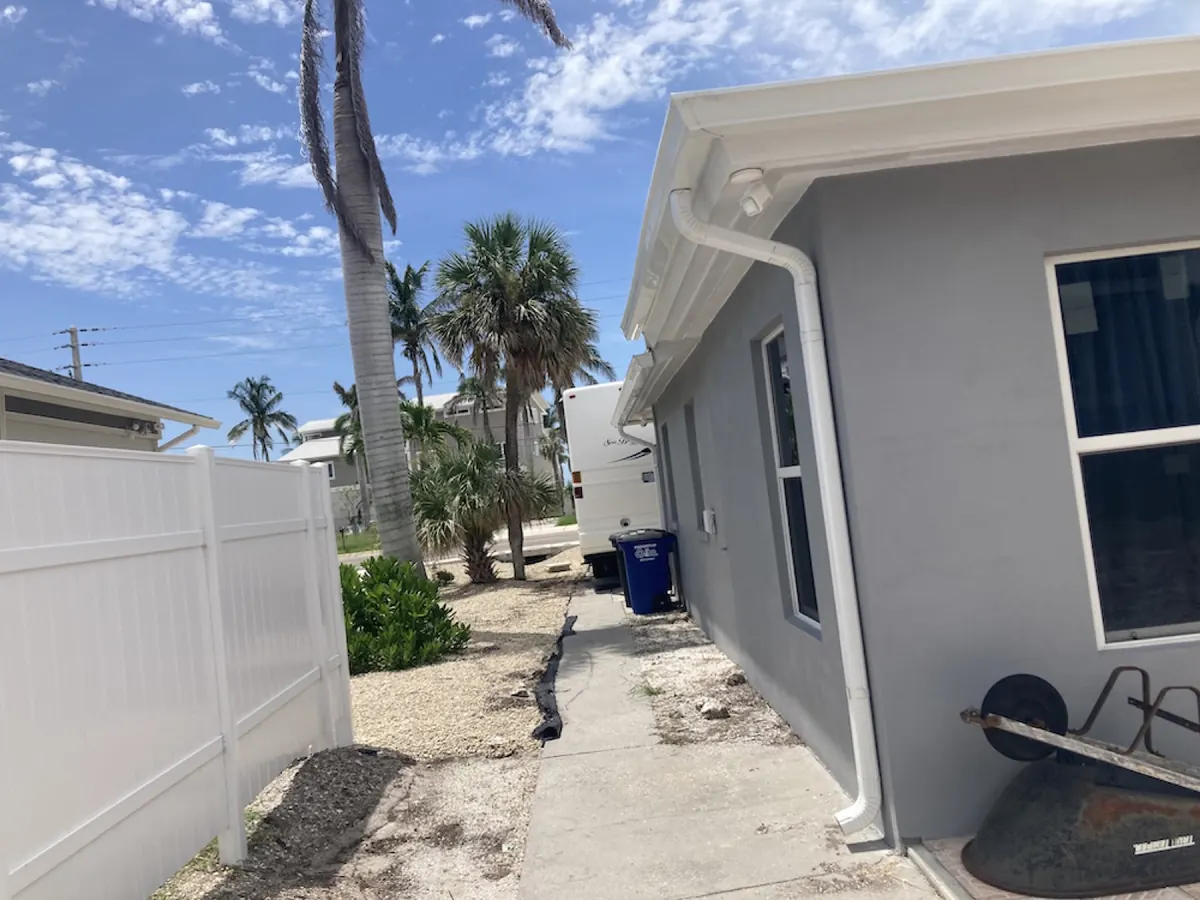
Roof runoff hitting a stucco wall on a Florida home

Where the water is coming from

Most of the stucco damage we look at has a drainage explanation. A missing or overflowing gutter sheets roof water down one section of wall every time it rains. A downspout discharges at the base and splashes the bottom two feet a thousand times a season. A blocked scupper backs up behind a parapet.

Water gets into a crack, sits in the wall, and then either freezes nowhere in Florida but does something almost as damaging: it corrodes the lath or the fasteners behind the render, and the expansion of that corrosion pushes the stucco off the wall. That is what spalling is, and it is why the repair has to go past the surface.

We are a gutter company by trade, which makes this the part we are actually best placed to solve. We can see the water path and fix it in the same visit, rather than patching a symptom that will reappear.


Stucco texture detail on a Southwest Florida wall

Matching what is already there

A stucco repair is judged on whether you can see it from the driveway. Southwest Florida walls carry a range of finishes, from knockdown and dash to smooth and sand, and each of them takes a different technique to reproduce.

Getting close means matching the texture, working the patch out beyond the damage so the transition is not a visible rectangle, and being realistic about colour. Existing paint has been fading in the sun for years, so a patched area almost always needs the elevation repainted to blend properly, and we would rather tell you that up front than surprise you at the end.

Where a wall has collected years of mismatched patches, resurfacing the whole elevation is usually the better-looking and better-value answer.

  • Knockdown, dash, sand and smooth finishes
  • Patches feathered out beyond the damage
  • Straight talk about repainting to blend
  • Full-elevation resurfacing where patching has piled up
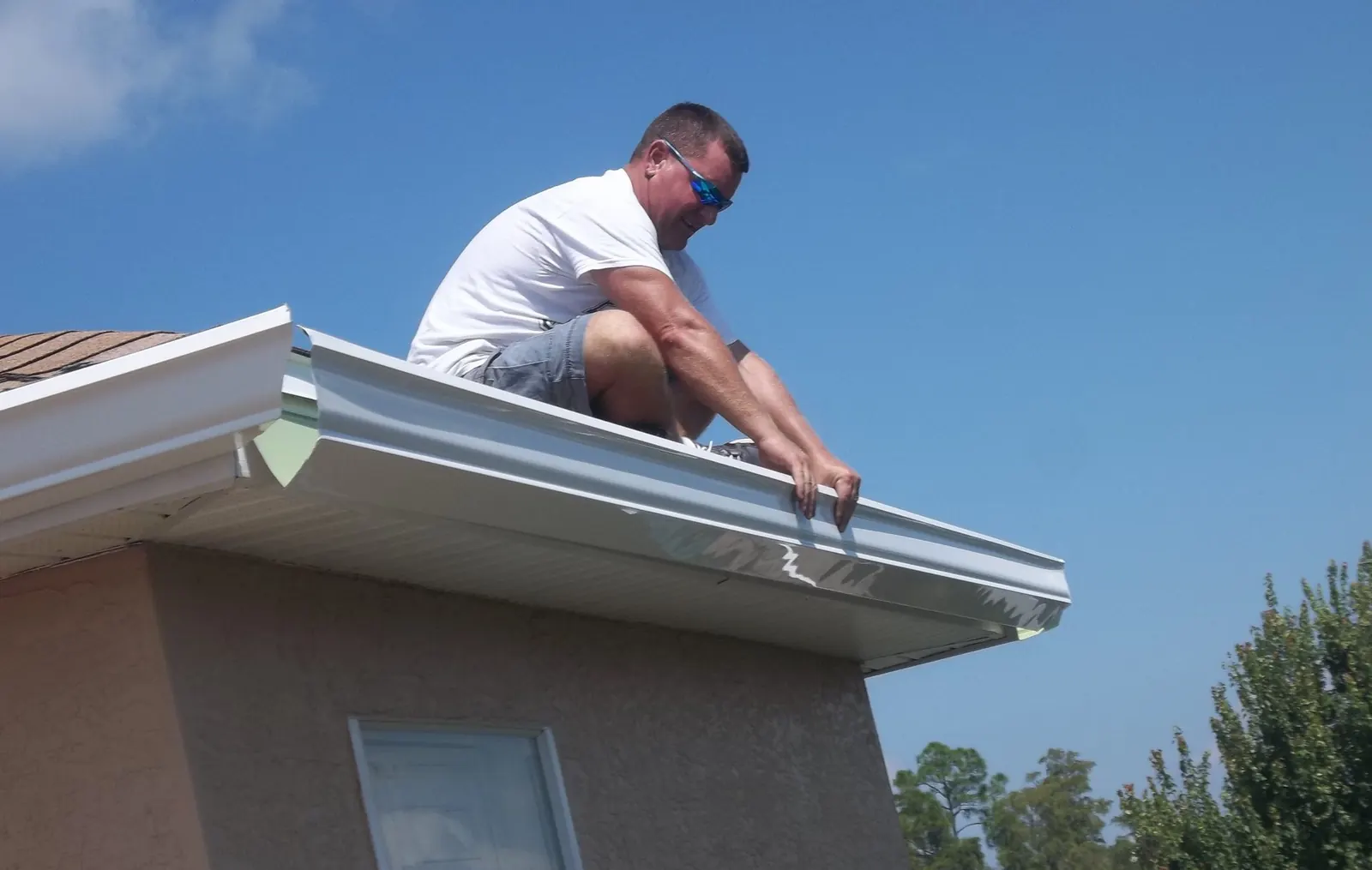
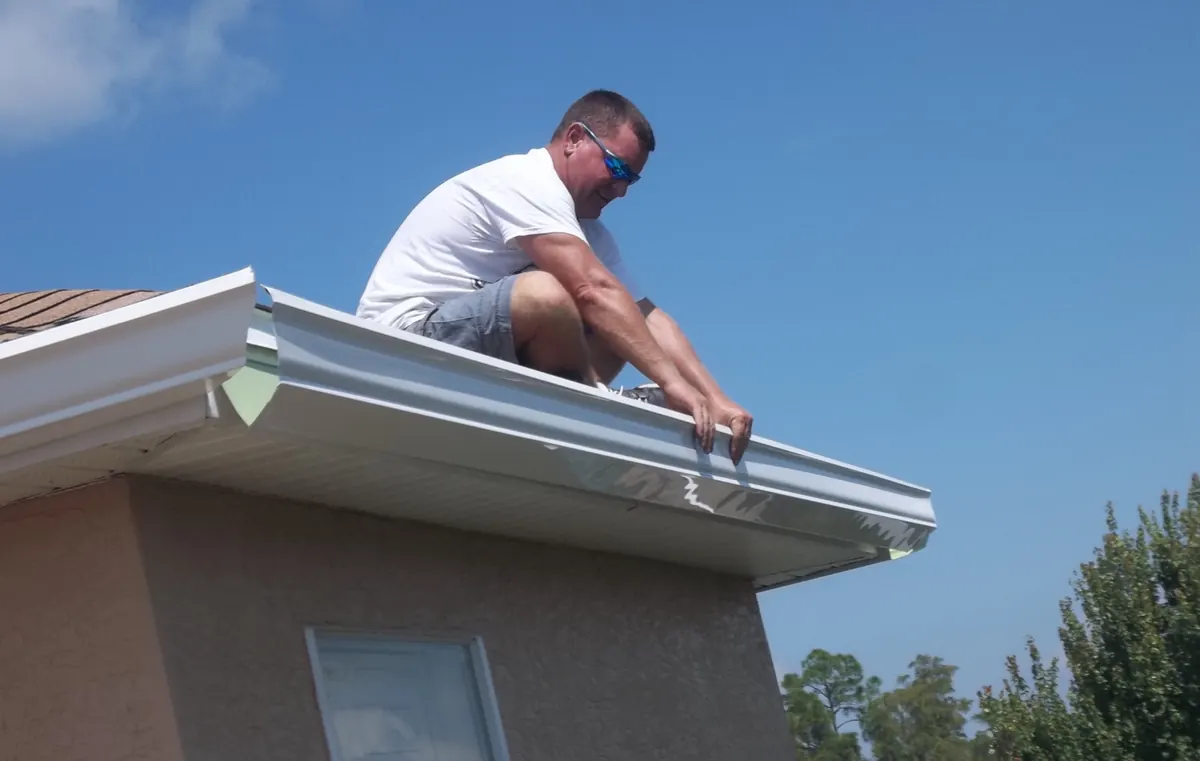
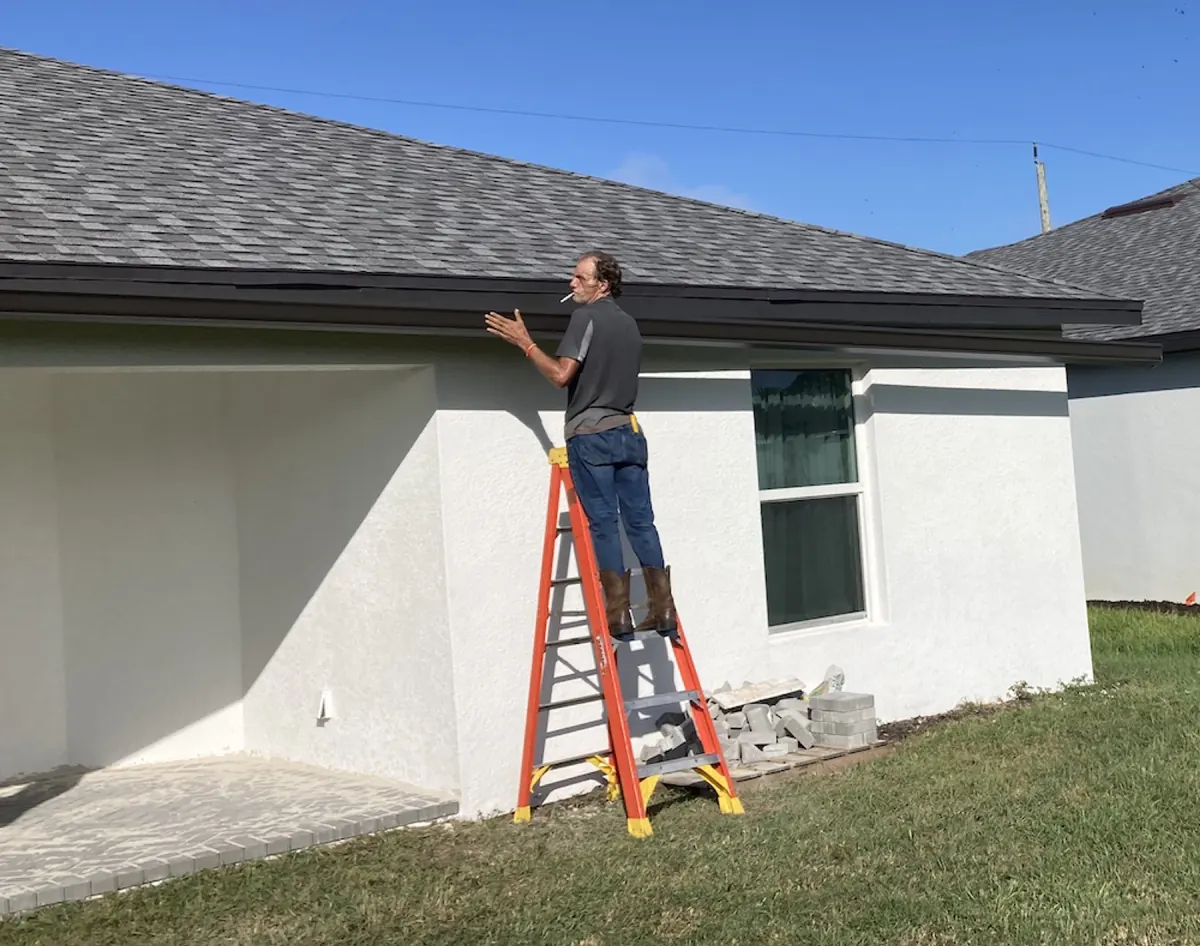
WWJD crew working along a Southwest Florida roofline
Local crew. Whole exterior covered.
Why homeowners call us

Straight answers, no deposit, guaranteed work.

We beat any written price

Bring us a competitor's written quote and we will beat it, on the same scope of work.

Licensed & insured to $2M

A certified residential contractor serving Lee, Charlotte and Collier counties since 2007.

No deposit, 24-hour response

You pay nothing until the work is finished and you are satisfied with it.

Good to know

Stucco questions.

It depends entirely on the pattern, not just the fact that a crack exists. Even hairline crazing spread evenly across an elevation is usually just the material aging in the sun and is the least concerning case. What is worth taking seriously is diagonal cracking radiating from the corners of windows and doors, which typically points to movement or a lintel issue; stair-stepping cracks that follow the block joints underneath; a crack that keeps reopening in the exact same line after being patched, meaning whatever caused it originally is still active; or any area that sounds hollow when you tap it, since that means the stucco has already lost its bond to the wall. We walk the elevation and tap it before quoting anything, because the hollow zone almost always extends further than what is visible from the ground.

Because whatever caused the original crack is still active — either something is still physically moving, like a settling foundation or a lintel flexing, or water is still getting to that spot and the cycle of wetting and drying keeps reopening the same line. A patch applied over an active cause is only ever a temporary cosmetic fix, no matter how well it is textured and blended, because it does not address why the wall cracked there in the first place. Before we repair a recurring crack, we look specifically for the water path or the source of movement rather than just filling the visible gap, which is why our repairs tend to hold where two or three previous patch jobs did not. If we cannot identify and correct the underlying cause, we will tell you that honestly.

Almost always it is water that has gotten behind the render and stayed there. That trapped moisture corrodes the metal lath and fasteners holding the stucco to the wall, and as corroding metal expands it physically pushes the stucco face away from its bond, which is what eventually shows up as bubbling, cracking, or a section that falls away entirely. Areas that sound hollow when tapped have already detached from the substrate even if they still look intact from a few feet away, and they have to be cut back to solid material rather than patched over. Finding and fixing whatever let the water in — a gutter overflow, a missing flashing detail, a cracked seal — matters just as much as rebuilding the wall itself, or the same spot fails again.

Matching texture is the goal on every repair we do, and we work the edge of the patch back out past the visible damage rather than stopping right at the crack, so there is no obvious rectangle where old and new material meet. Colour is genuinely the harder part to match, because the paint on your existing wall has been fading in Florida sun for years or even a decade, while new stucco and fresh paint start out at full colour saturation. Even a very good texture match will read as a slightly different shade in raking afternoon light if the surrounding paint is old. Because of that, blending a repair well often means planning to repaint at least the affected elevation once the patch has fully cured.

Usually yes, at least across the elevation where the repair was done, if you want it to genuinely disappear rather than just be well-textured. New stucco material takes paint differently than a wall that has been weathering outdoors for a decade, and even an excellent texture match tends to read as a visible patch once you notice the colour difference in certain light. We are upfront about this before the repair starts rather than letting you find out afterward, because it is a real cost to plan for, not scope creep we are trying to add. If you are comfortable with a patch that is functionally sound but visible up close, that is entirely your call and we will leave it unpainted.

Yes, and honestly that is the part we would insist on rather than just patching the wall and moving on. Gutters and drainage are our main trade, not a secondary service we occasionally touch, so we can trace exactly where the water that damaged your stucco was coming from — an overflowing corner, a downspout discharging right at the base of the wall, or a missing run entirely — and correct that at the same time as repairing the wall itself. Doing both as one job, with one crew, means you are not stuck coordinating a gutter contractor and a stucco contractor separately and hoping they agree on what actually caused the problem.

Related reading

Contact Us

(239) 342-5489

Or, fill out this handy form and we'll get back to you as soon as possible – usually within 24 hours on business days.

Call Now Free Estimate