(239) 342-5489 info@wwjdguttersofflorida.com
Home  /  Screens

Screen repair and re-screening in SW Florida.

Torn lanai panels, a sagging pool cage, a screen door that will not latch. We put the barrier back between you and the no-see-ums, one panel or one whole enclosure at a time.

Damaged screen panel awaiting replacement in SW Florida

One panel or the whole enclosure

Screen does not fail all at once. A branch takes out one panel, the sun works on the south side for a few seasons, a dog leans on the lower run, and one day the whole enclosure looks tired. We handle it at whatever stage you have caught it.

If two panels are torn and the rest of the mesh still has life in it, we will tell you that and charge you for two panels. If the screen has gone brittle and grey across the whole structure, patching it is throwing money away, and we will say that too. You get the honest read either way.

  • Lanais, screened porches and patio enclosures
  • Pool cages, including two-story and picture-window frames
  • Entryways, front-door screens and garage screens
  • Window screens and sliding screen doors
Close-up of fresh screen mesh installed on an enclosure

Choosing the right mesh

Most enclosures in Lee, Charlotte and Collier counties are screened with standard 18x14 fiberglass mesh, which handles mosquitoes and keeps the leaves out. It is the right call for a lot of homes and the most affordable option.

It is not the only option, though, and the difference matters if you live near water or have pets. We carry tighter no-see-um mesh for coastal properties where the standard weave lets the tiny biters straight through, heavier pet-grade mesh for the lower panels a dog actually pushes against, and solar screen that cuts the afternoon heat on a west-facing lanai.

  • Standard 18x14 fiberglass: the everyday choice, best visibility for the price
  • No-see-um 20x20: tighter weave for coastal and canal-front homes
  • Pet-grade: heavy vinyl-coated polyester for the lower run
  • Solar screen: knocks down glare and heat on sun-exposed sides
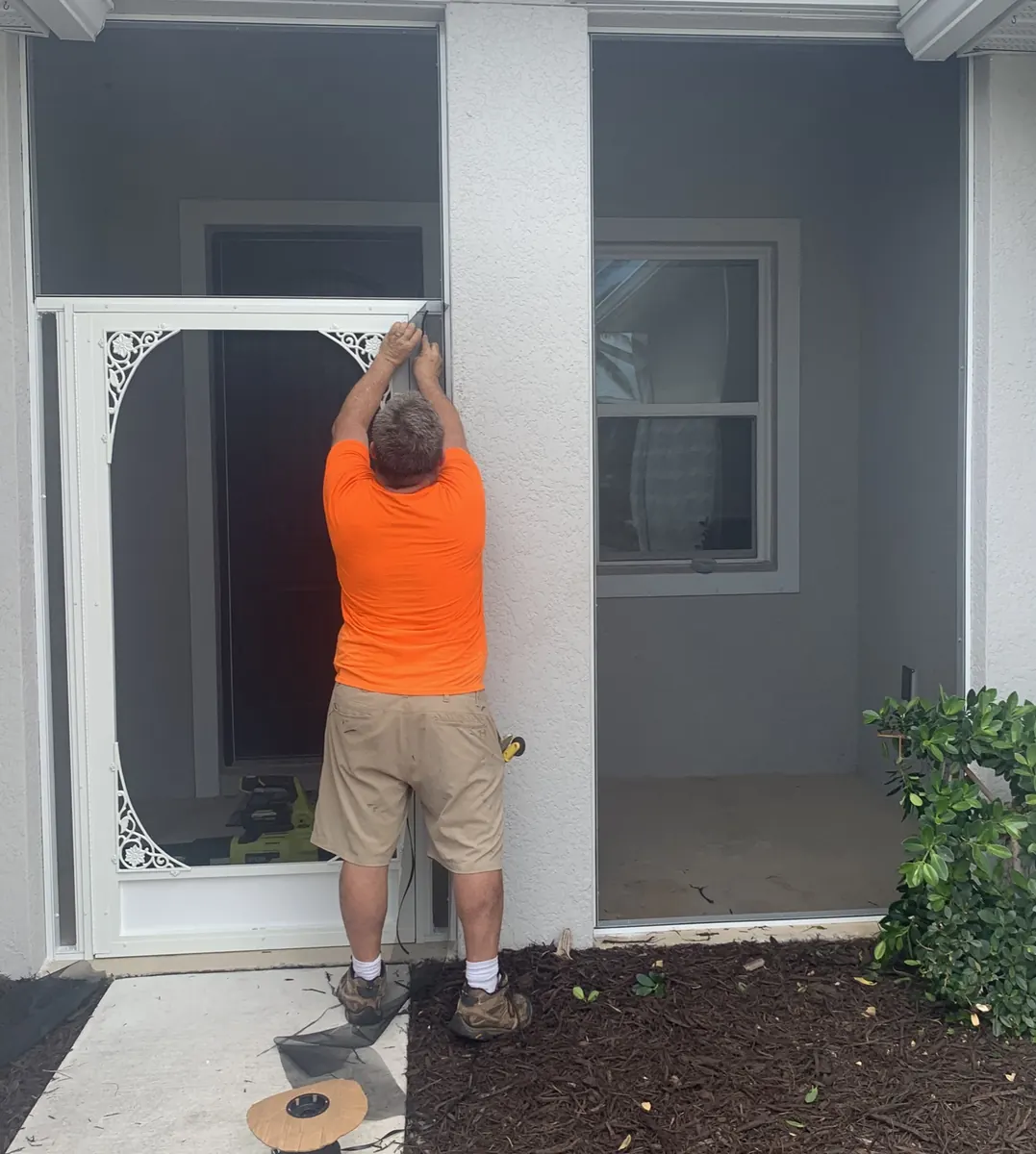
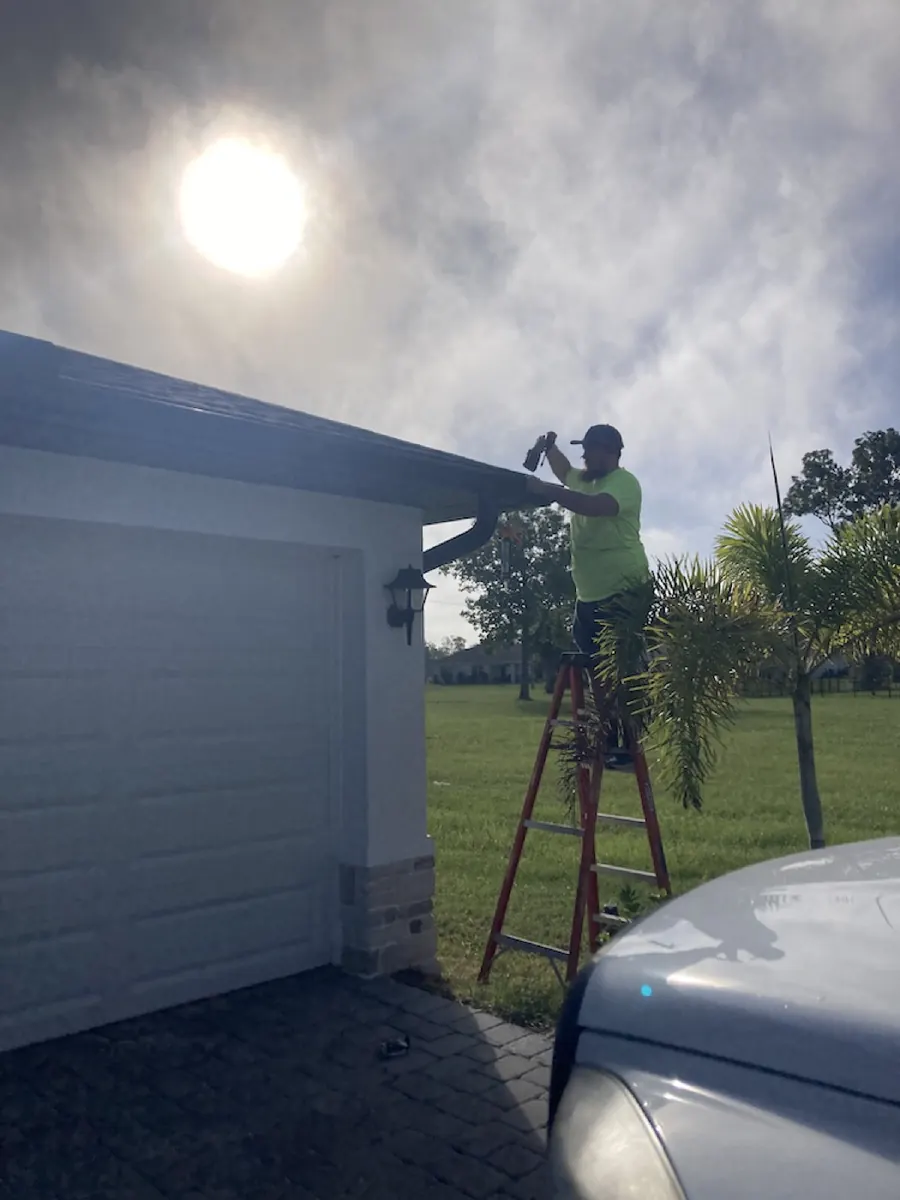
WWJD crew member on a ladder working on a screen enclosure

Why screens fail early in Florida

Ultraviolet light is what actually kills screen down here. The mesh goes chalky, loses its flex, and then a windy afternoon finishes it. Salt air accelerates the same process and goes to work on the fasteners and the frame behind the mesh.

The other quiet killer is spline that was installed dry or reused. Spline is the rubber cord that wedges the mesh into the frame channel, and when it hardens it stops gripping. The screen starts to ripple, then it pops a corner, then the whole panel goes. We install fresh spline on every panel we touch, which is why our panels stay tight instead of billowing a year later.

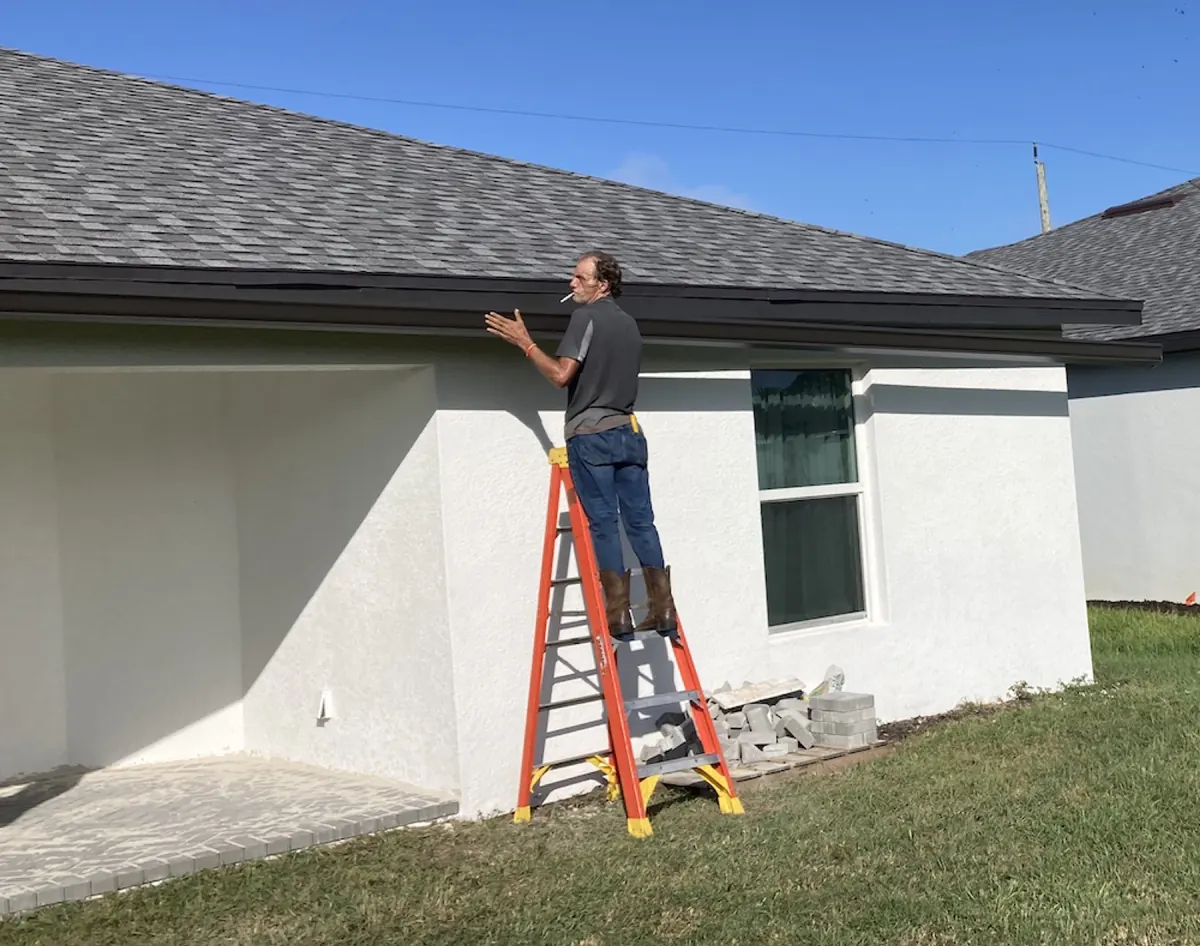
WWJD crew working along a Southwest Florida roofline
Local crew. Whole exterior covered.
Why homeowners call us

Straight answers, no deposit, guaranteed work.

We beat any written price

Bring us a competitor's written quote and we will beat it, on the same scope of work.

Licensed & insured to $2M

A certified residential contractor serving Lee, Charlotte and Collier counties since 2007.

No deposit, 24-hour response

You pay nothing until the work is finished and you are satisfied with it.

Good to know

Screens questions.

It depends on panel count, mesh type and how high the crew has to work, which is why we quote it on site rather than guessing over the phone — a single-story lanai with standard mesh and a two-story pool cage with no-see-um screen on every panel are very different jobs even though both are technically “re-screening.” What we can tell you up front is that the estimate itself is always free, there is no deposit required on any job, and if you have a written quote from another screen company for the same scope of work, we will beat it. Once we have walked the enclosure and counted panels, you get a clear price in writing before anything is scheduled, so there are no surprises when the crew shows up.

Yes, and that is often exactly the right answer rather than something we try to upsell into a full re-screen. A single-panel repair is a completely normal call for us, whether it is from a fallen branch, a ladder mishap, or a pet that decided to test the mesh. The one thing worth knowing going in is that brand-new mesh next to screen that is ten years old will look slightly different in colour, because the older panels have been fading in Florida sun for years and the new one has not started yet. That difference fades over time as the new panel weathers to match, but it is noticeable at first, especially in direct afternoon light. If your enclosure has several aging panels close together, we will tell you honestly whether patching one now just means patching the next one in a year.

Standard 18x14 fiberglass mesh will not reliably stop no-see-ums — the gaps are simply too large for an insect that small. For real protection you want the tighter 20x20 weave, which we install regularly on canal-front, coastal, and preserve-adjacent properties where these bugs are worst at dusk. The trade-off is that the tighter weave does cut airflow and visibility a little compared to standard mesh, which matters on a lanai you use for relaxing rather than just looking at. Because of that trade-off, a lot of homeowners choose to mix mesh types rather than screen the whole enclosure in no-see-um weave: the tighter mesh on the side facing the water or the preserve, standard mesh everywhere else. We will walk the property with you and point out which side actually needs it before you commit to upgrading every panel.

Most single-story lanais are a one-day job from start to finish — the crew removes the old mesh and spline, cleans out the channel, checks the frame, then screens and splines panel by panel before hauling the old material away. A large pool cage, especially a two-story one with roof panels to reach, can run into a second day simply because of the added height, access, and panel count involved. Rather than give you a generic timeline that might not match your specific enclosure, we will walk the property, count what actually needs doing, and give you the realistic schedule in writing along with the estimate, not a hopeful best-case number that turns into three visits. You do not need to plan around us being there the whole time either, as long as we have access to the enclosure.


Both, and honestly the frame gets checked first. Bent members, corroded fasteners, pulled anchors and loose kickplates all get identified and handled as part of the job, because there is no point stretching brand-new mesh onto a frame that is coming apart at the connections — it will just tear again within months and you will have paid for the screen twice. We assess the structure before we ever quote the mesh, which is part of why our estimates take a proper look at the enclosure rather than a guess from the driveway. If the frame damage turns out to be more than a minor fix, that is typically handled as screen enclosure repair, and we will explain the distinction and the pricing for each part clearly.

Not necessarily, as long as our crew has access to the enclosure and, if we need it, a working water spigot nearby. A large share of our re-screens happen while the homeowner is at work or running errands, and we are used to coordinating access through a lockbox, a gate code, or simply a scheduled window when someone can let us in. We will confirm exactly how access will work when we schedule the job, so there is no confusion on the day of the visit. If you would rather be present to see the work or ask questions as we go, that is completely fine too — some homeowners prefer to be there, especially for a larger enclosure, and we are happy to walk you through what we are doing and why.

Related reading

Contact Us

(239) 342-5489

Or, fill out this handy form and we'll get back to you as soon as possible – usually within 24 hours on business days.

Call Now Free Estimate